Knob and tube wiring remains one of the most misunderstood electrical systems in Calgary’s older homes. Installed throughout the early 1900s, this outdated wiring method still runs through homes in Calgary’s established communities like Inglewood, Hillhurst, and Capitol Hill. Homeowners who buy or renovate these properties quickly discover that knob and tube wiring creates serious electrical, insurance, and safety challenges. This guide explains what you need to know and what steps to take.
If you're experiencing electrical issues in your home or planning upgrades, Ampt Over Electric's certified residential electricians in Calgary provide safe, reliable solutions for all your home electrical needs. From troubleshooting to complete rewiring, we ensure your family's safety and comfort. Call us today at (368) 993-7463 for a free consultation.
What Is Knob and Tube Wiring?
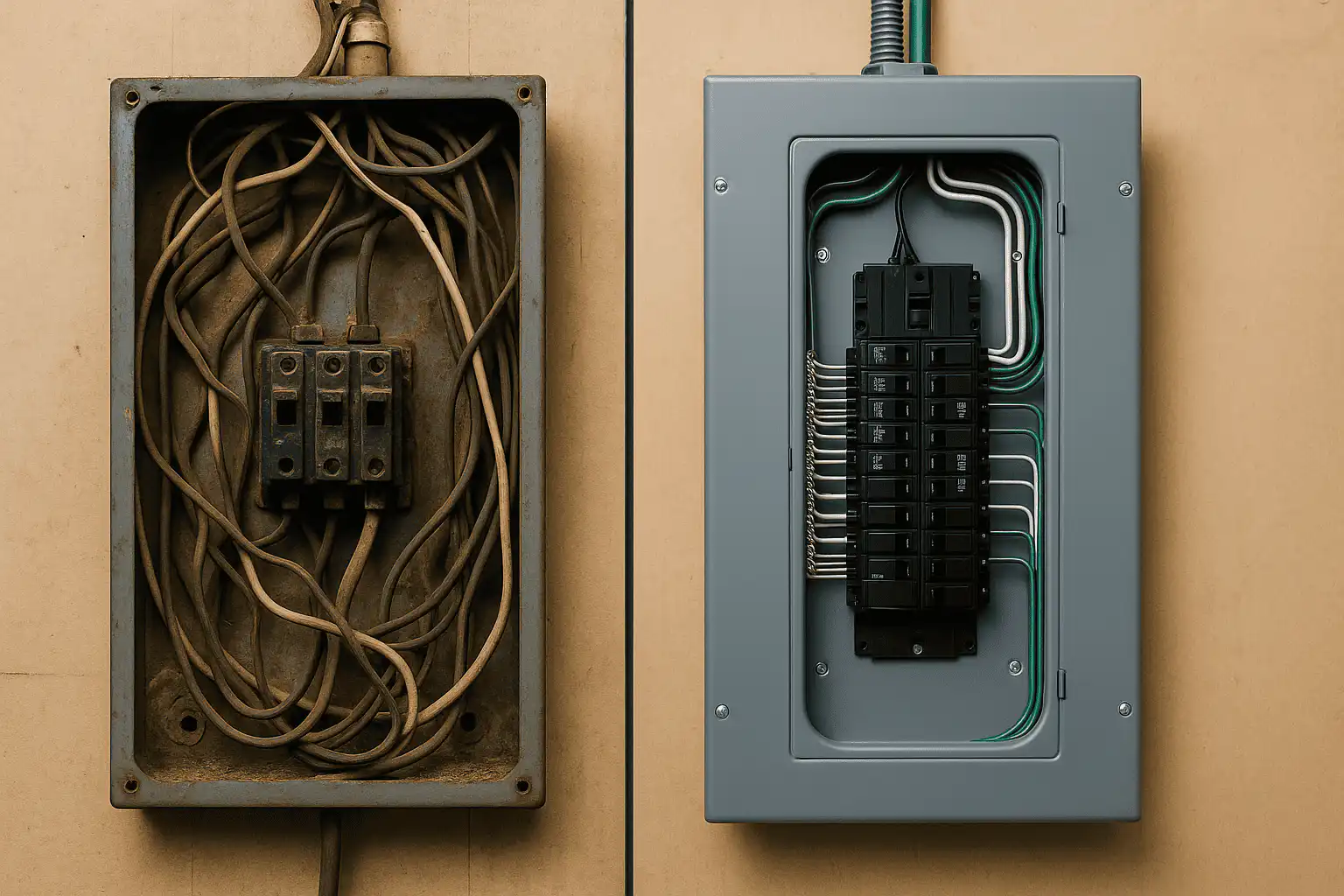
Knob and tube wiring is an early method of electrical wiring used in North American homes from approximately the 1880s through the 1940s. It gets its name from two components: ceramic knobs that secure the wires to framing members, and ceramic tubes that protect wires where they pass through wood. The system uses individual hot and neutral copper conductors, run separately with an air gap between them as the primary insulation method.
Unlike modern wiring, knob and tube systems have no ground wire. This absence of grounding means there is no fault protection path for electricity to follow safely in the event of a short circuit or appliance failure. The system was designed for the electrical demands of a century ago — a few light bulbs and perhaps one or two small appliances — not the dozens of devices that Calgary households depend on today.
The rubber and cloth insulation surrounding knob and tube wires deteriorates over time. Heat, moisture, and decades of expansion and contraction cause this insulation to crack, harden, and crumble. When insulation fails, bare copper conductors can contact wood framing, attic insulation, or other combustible materials — creating a direct fire risk.
Is Knob and Tube Wiring Dangerous?
Knob and tube wiring is not inherently dangerous in its original state. The danger comes from decades of wear, improper modifications, and the demands placed on a system never designed to carry modern electrical loads. Several specific conditions make knob and tube wiring a genuine hazard in Calgary homes.
Deteriorated Insulation
The cloth and rubber insulation used on knob and tube wires has a finite lifespan. After 70 or more years, this insulation frequently fails entirely. The U.S. Consumer Product Safety Commission identifies deteriorated insulation on older wiring as a contributing factor in residential electrical fires across North America.
No Grounding
Modern appliances and electronics require a grounded electrical system for safe operation and surge protection. Knob and tube wiring provides no ground path, leaving appliances and occupants exposed to dangerous voltage faults. Ground Fault Circuit Interrupter protection cannot function as designed in an ungrounded system.
Buried Under Attic Insulation
Knob and tube wiring relies on open air circulation for heat dissipation. When contractors or homeowners add attic insulation over these wires, the air gap is eliminated and heat accumulates in the conductors. The National Fire Protection Association’s fire statistical reports identify electrical failures as a leading cause of residential structure fires — and improper insulation over old wiring is a documented contributing risk.
Insurance Complications
Many Alberta insurers will not cover homes with active knob and tube wiring, or they charge substantially higher premiums. The Insurance Bureau of Canada recognizes older electrical systems as a material risk factor that insurers must account for in residential policies. This creates real financial consequences for Calgary homeowners at the point of sale, renewal, or when filing a claim.

How to Identify Knob and Tube Wiring in Your Calgary Home
Calgary homes built before 1950 have the highest probability of containing knob and tube wiring. Homes constructed in the 1950s and into the 1960s may have mixed systems where original knob and tube runs alongside newer wiring added during renovations. Here is how to check your home.
Inspect the attic. Knob and tube wiring is most visible in unfinished attic spaces. Look for individual copper wires — not sheathed cable — running along the tops of joists and secured by white ceramic knobs. Ceramic tubes are visible where wires pass through joists or studs.
Check the basement. Basement ceiling joists and utility areas often expose knob and tube wiring clearly. Separate conductors without a plastic outer sheath, fastened by ceramic hardware, are the defining visual indicators.
Look at your outlets. Two-prong outlets throughout a home indicate an ungrounded electrical system consistent with knob and tube wiring. Three-prong outlets in an older Calgary home may have been retrofitted without proper grounding — a code violation that creates a false sense of safety.
When uncertain about your home’s wiring, the Calgary electrical safety inspection team at Ampt Over Electric will identify your system type, document its condition, and provide a clear scope of work for any required repairs or replacement.
Knob and Tube Wiring Replacement Cost in Calgary
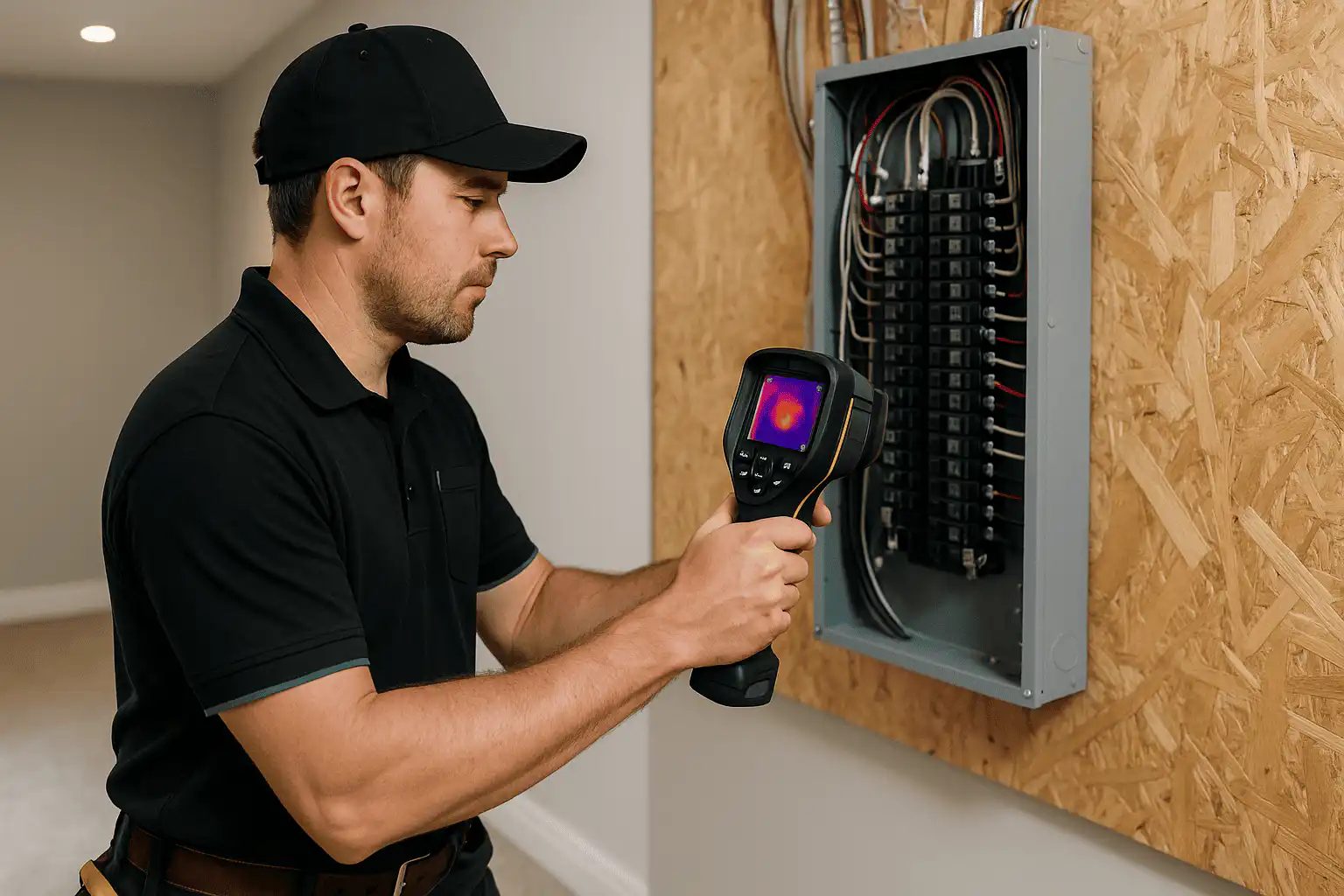
Knob and tube wiring replacement cost in Calgary depends on the size of the home, the extent of the existing system, accessibility behind walls and ceilings, and whether a panel upgrade is required. Every property presents different conditions, and costs vary accordingly.
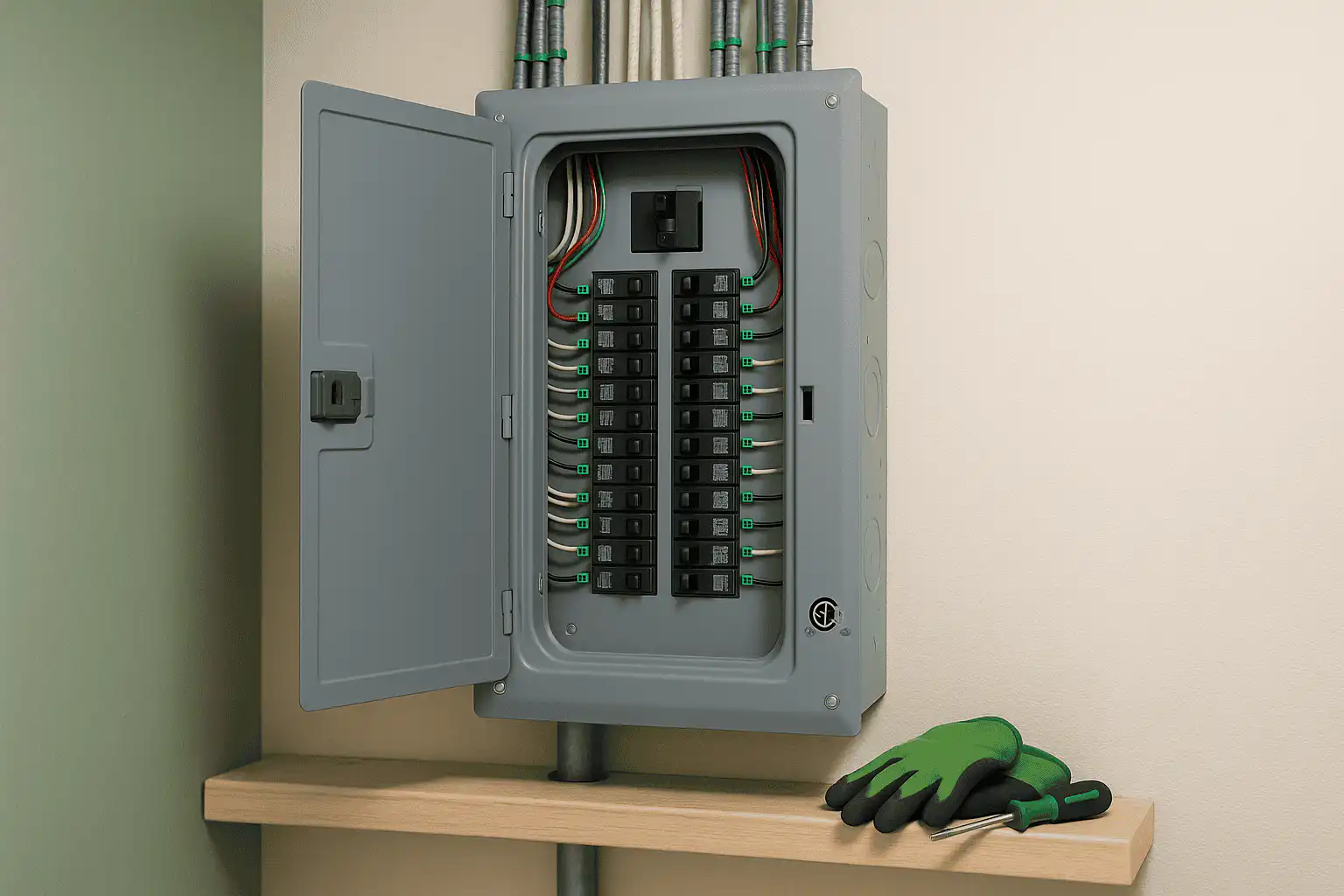
Most full knob and tube replacements in Calgary include complete rewiring of all circuits throughout the home, a panel upgrade to a modern 100A or 200A service, installation of grounded outlets and proper junction boxes, and all required electrical permits and inspections through the City of Calgary.
The electrical permit process in Calgary is mandatory for rewiring work. Permits ensure that a safety codes officer inspects the completed work and confirms it meets Alberta Electrical Code standards. At Ampt Over Electric, permits are included with all installations — homeowners are never billed for permits as a separate cost.
Request an on-site assessment from Ampt Over Electric to receive a written quote specific to your property. The right estimate comes from examining the home directly, not from a general figure provided over the phone.
Alberta Electrical Code — Do You Have to Replace It?
Electrical safety in Alberta is governed under the Alberta Safety Codes Act, which adopts the Canadian Electrical Code as the provincial standard for all electrical work. Knob and tube wiring is not automatically prohibited under current Alberta code, but specific conditions commonly associated with aged knob and tube systems are prohibited.
The Alberta Electrical Code prohibits wiring with damaged or missing insulation, circuits overloaded beyond their designed capacity, and knob and tube wiring buried under attic insulation — since this eliminates the air cooling the system depends on. Any new electrical work added to an existing property must meet current code requirements, including proper grounding and overcurrent protection.
When a licensed electrician identifies deteriorated or unsafe knob and tube wiring during an inspection, full or partial replacement is the required course of action. Homeowners selling or refinancing may also face lender or insurer requirements to remediate knob and tube wiring as a condition of completing the transaction.
All rewiring work in Calgary requires a permit and inspection. If your electrical situation is urgent — a circuit failure, burning smell, or active hazard — contact the emergency electrician Calgary team at Ampt Over Electric immediately. The team answers calls 24/7 and provides on-site service 8AM to 8PM, seven days a week.
What Calgary Homeowners Should Do Next
Knob and tube wiring is a manageable problem when addressed by the right team. The correct first step is an honest assessment by a licensed Calgary electrician who can tell you exactly what you have, its current condition, and what it will take to bring your home up to current electrical standards.
Ampt Over Electric has served Calgary homeowners as trusted Calgary residential electricians since 2009. The team carries A+ BBB accreditation, $5 million in commercial liability insurance, and backs every project with an Electrical Code Guarantee and an industry warranty on all installed parts. With 94+ five-star reviews and 17 years of experience in Calgary’s residential electrical market, Ampt Over Electric is the team homeowners trust for knob and tube assessment and replacement.
Call +1 368-993-7463 now for immediate electrical service in Calgary or request your free quote online from the trusted local experts at Ampt Over Electric.

Frequently Asked Questions
Is knob and tube wiring covered by home insurance in Calgary?
Many Alberta insurance companies will not insure a home with active knob and tube wiring, or they require additional inspections and charge higher premiums. Contact your insurer directly and confirm their position on older electrical systems before purchasing a Calgary home known to contain knob and tube wiring.
Can I add circuits to an existing knob and tube system?
No. Adding circuits to knob and tube wiring is prohibited under the Alberta Electrical Code. Any new electrical work must meet current code requirements, including grounded wiring and proper overcurrent protection. Extending knob and tube systems creates both a fire risk and a code violation.
How long does knob and tube wiring replacement take in Calgary?
Most residential rewiring projects in Calgary take between two and five days, depending on the size of the home and wall access complexity. Ampt Over Electric provides a clear project timeline with every written quote.
Does replacing knob and tube wiring require a permit in Calgary?
Yes. A permit is mandatory for all rewiring work in Calgary under the Alberta Safety Codes Act. The permit process ensures the completed work is inspected by a safety codes officer and meets current code standards. Ampt Over Electric includes permit fees in all residential rewiring projects.
What is the biggest risk of leaving knob and tube wiring in place?
The primary risks are electrical fire from deteriorated insulation or overloaded circuits, loss of home insurance coverage, and inability to sell or refinance the property until the wiring is remediated. A licensed electrician can assess your specific risk level and recommend the appropriate course of action.